About Dave Heard
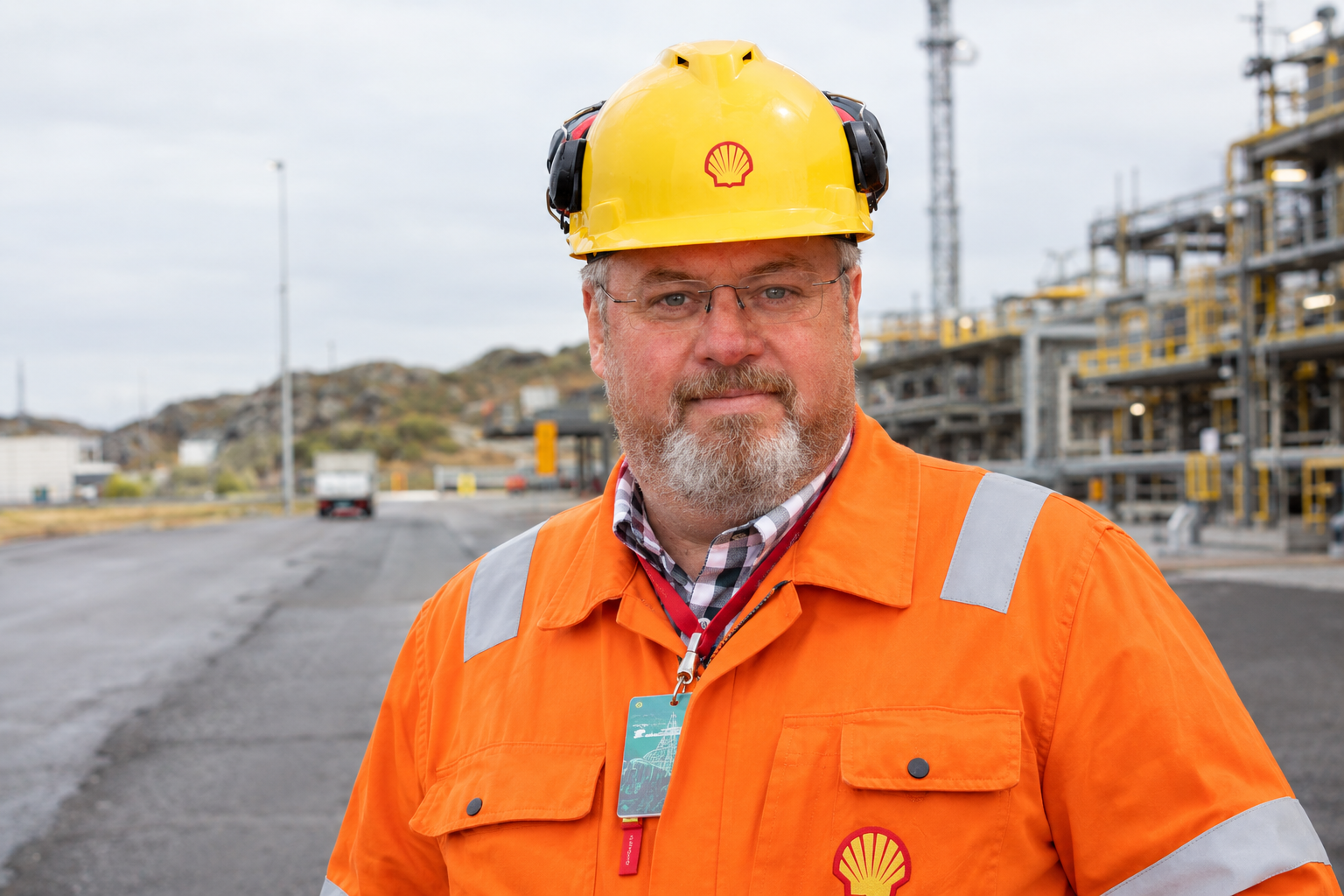
Senior Technologist | Enterprise Architect
Emerging Digital Technologies • Spatial Computing • Digital Twins • AI and Physical AI • XR • Innovation at Scale
I turn emerging technology into scalable enterprise capability, trusted architectures and measurable operational value.
I am a senior technologist, enterprise architect and innovation leader with more than 35 years of international experience across technology operations, architecture, programme delivery, leadership, enterprise sales and commercial management.
I have worked on both sides of the customer–supplier relationship. That experience has taught me that executives, architects, engineers, vendors, delivery teams and frontline users can all look at the same problem through very different lenses. Much of my work involves translating between those worlds, establishing a shared understanding of the problem and helping people align around an outcome that is valuable, practical and deliverable.
My current focus is Spatial Computing, Spatial and Semantic Digital Twins, XR, AI and Physical AI. I am particularly interested in what it takes to move these technologies beyond an impressive demonstration: a worthwhile business problem, trusted data and asset identity, open and reusable architecture, clear governance, operational readiness, measurable value and a credible path from experiment to enterprise adoption.
At Shell, I currently help shape enterprise strategy for Spatial Computing, XR and next-generation Digital Twin, building on earlier architecture leadership for a global connected and augmented worker capability.
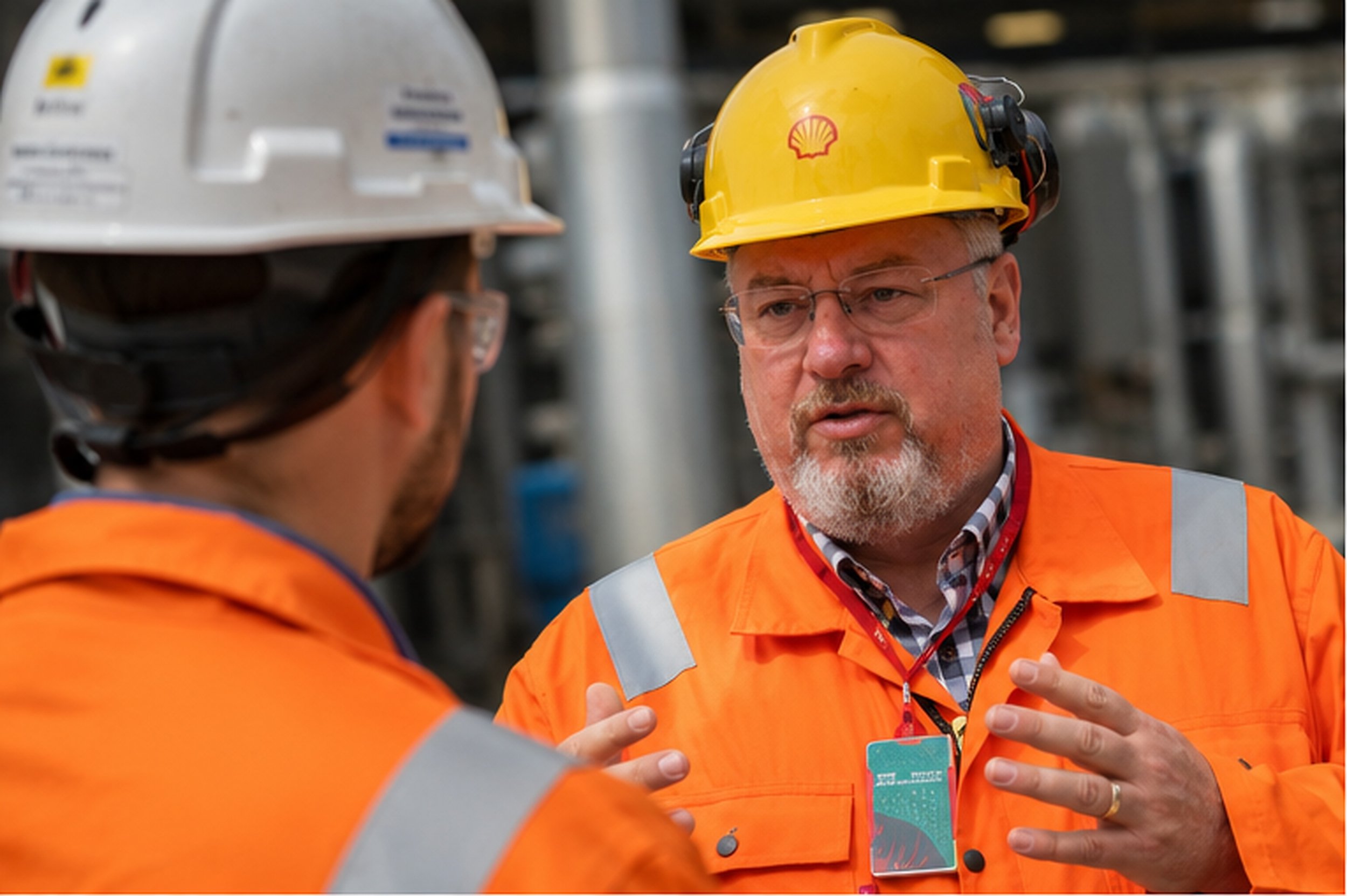
Its all about the people
Understanding how people work, what challenges they face and how they make decisions is fundamental.
Technology is not the outcome. The outcomes are better decisions, safer and more effective work, reduced frustration, stronger collaboration and measurable business value.
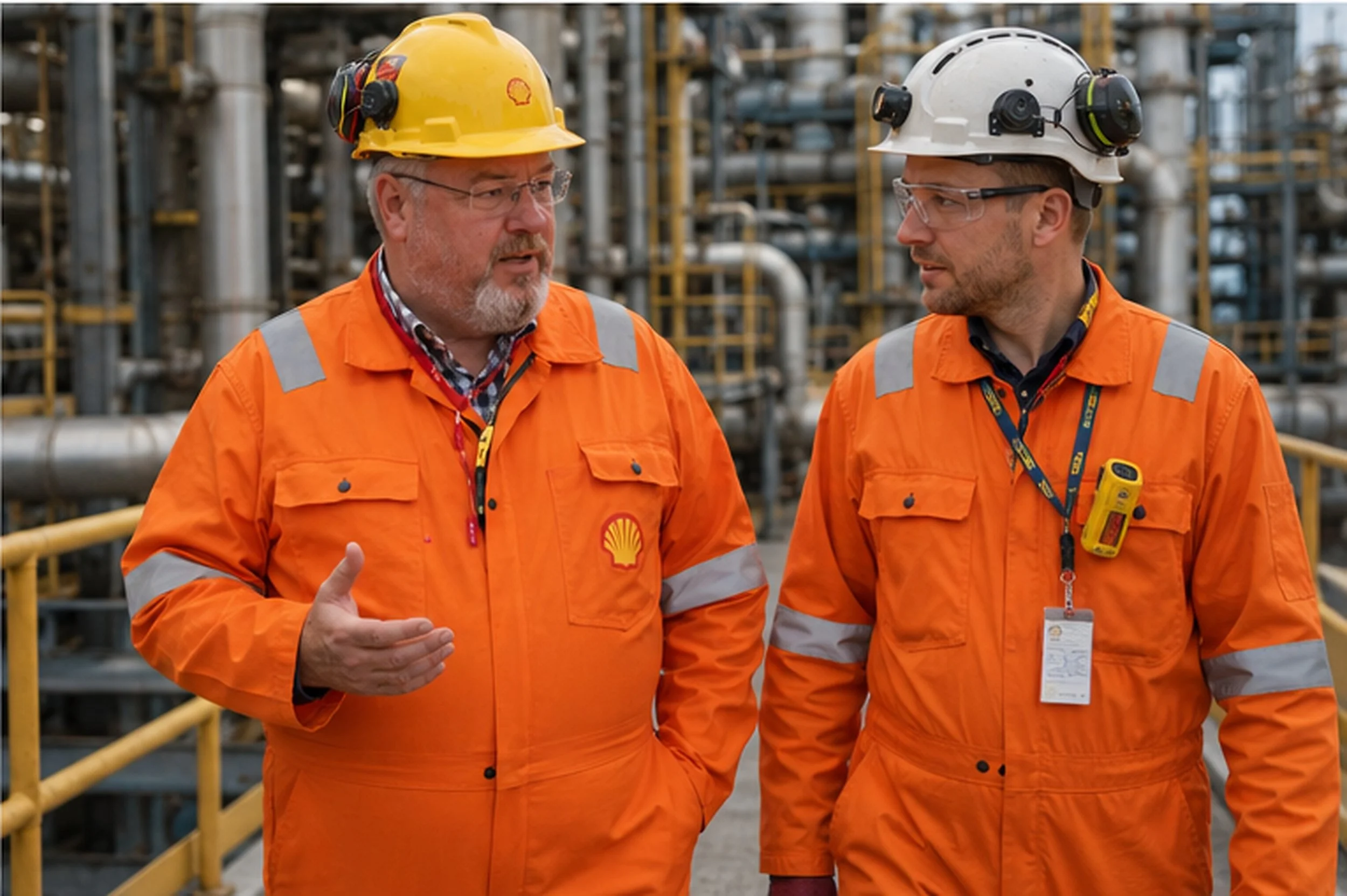
That begins with understanding how people actually work. I learn most by spending time with users, observing their environment and walking through the job from their point of view. These engagements expose the constraints, workarounds, dependencies and moments of uncertainty that process diagrams frequently miss.
They also build trust. People are much more likely to engage with change when they believe that the people designing it understand their work.
My aim is therefore not simply to introduce new technology. It is to design capabilities that fit natural workflows, improve the experience of work and remain secure, supportable, scalable and economically justified.
What I am exploring
My work and writing currently concentrate on five connected themes:
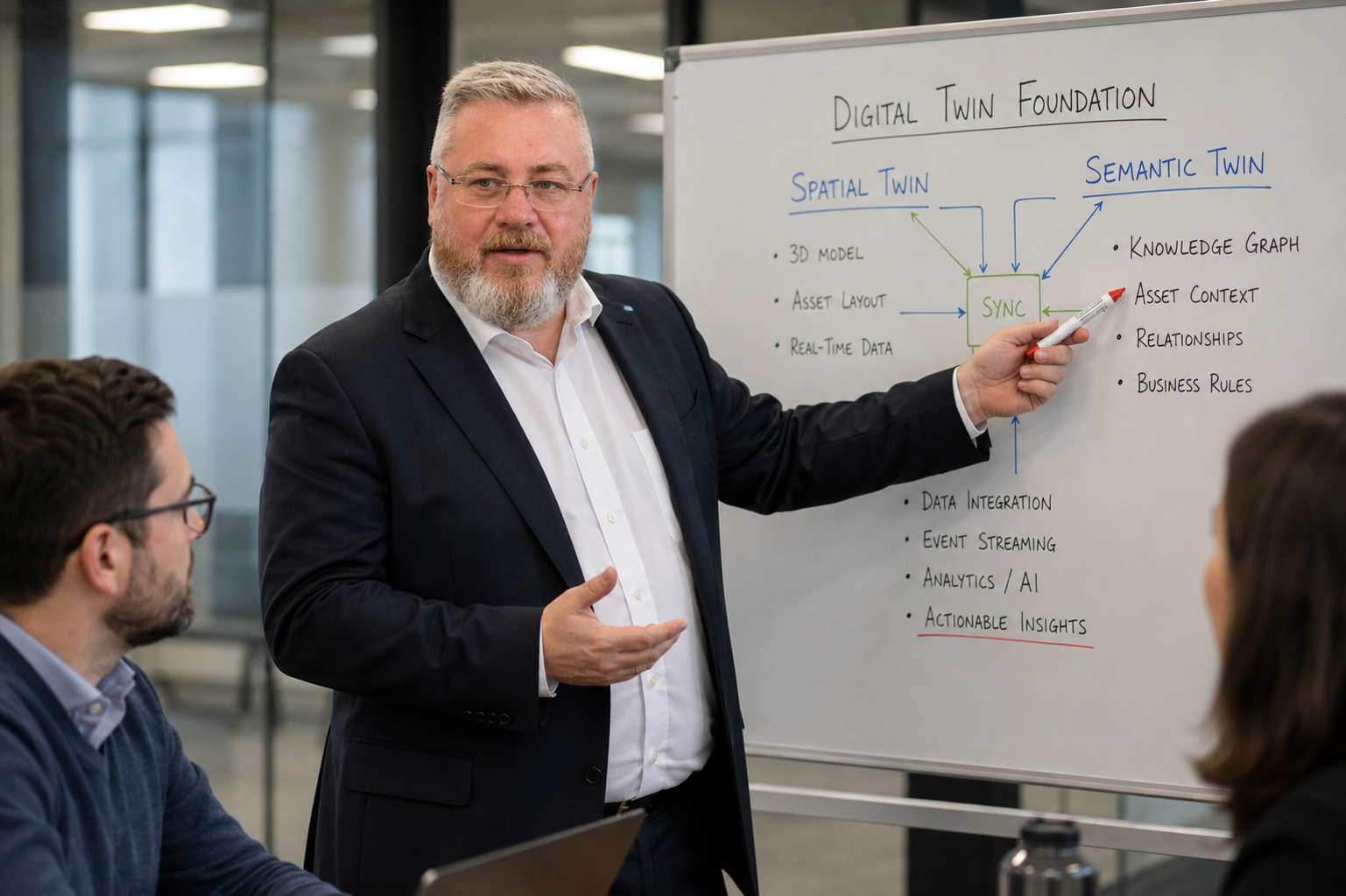
Next-generation Digital Twins built from Spatial and Semantic Twins that remain coherent with live operational reality.
Spatial Computing and XR as human-computer interfaces for complex industrial and enterprise work.
AI, Physical AI and robotics, including the trusted digital foundations that humans, agents, drones and robots need.
Enterprise architecture and interoperability, particularly the importance of reusable context, open foundations and avoiding unnecessary vendor dependence.
Innovation to operations, including how organisations evaluate emerging technology, produce decision-quality evidence and progress from experiment to dependable capability.
What I believe
Technology should not force people to step away from their work, search through disconnected applications, or translate the real world into systems that do not understand their context.
I believe we are moving towards a more natural form of computing, where digital capability is shaped around people, places, tasks and intent. The next generation of technology will be less about individual applications and more about contextual experiences: the right information, insight or action presented at the right moment, based on who someone is, where they are, what they are doing, what they need, and what is happening around them.
Digital twins, spatial computing, AI, wearables, immersive interfaces and new computing endpoints are all part of this shift. But the real value is not in any single technology. It emerges when space, meaning, live state, user intent and trusted evidence are connected in ways that help people understand complexity, make better decisions and act with greater confidence.
Emerging technology earns its place when it reduces friction, improves experience, strengthens decision-making and fits naturally into the way people actually work. The future is not simply more applications. It is technology that becomes more contextual, more intuitive and more useful in the flow of real work.
Why “Just me, Xtended”?
The name reflects my interest in technology that extends human perception, understanding and capability.
This site is where I explore those ideas openly: sharing practical experience, testing architectural propositions, challenging assumptions and learning from informed disagreement. It is not intended to be a product catalogue or an exercise in promoting novelty. The objective is to examine where emerging technology creates genuine value, where it does not, and what organisations must put in place to use it responsibly.
The views expressed here are my own and do not necessarily represent those of my employer or any organisation with which I am associated.